Leave Your Message
0%

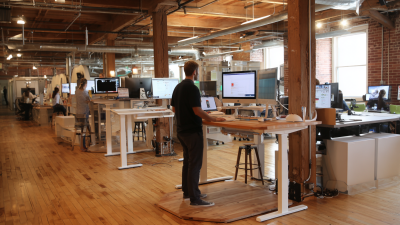
In today’s super busy work world, many people are on the lookout for ways to boost their health and get more done. One idea that’s been catching on lately is using standup desks. The idea is pretty simple — you work while standing up instead of sitting all day, which can help with your posture and cut down on the health issues that come from sitting too much. It seems pretty obvious that standing more can give you more energy, help you stay focused, and maybe even reduce some common aches and pains caused by poor sitting habits.

That said, it’s not all sunshine and rainbows. Some people find that standing for long periods can lead to discomfort in their legs or back. Getting used to this new way of working might take a bit of time and some adjustments. It’s really important to find the right height for your desk and wear supportive shoes. Taking regular breaks is a must too. Mixing up your day with standing and sitting can make things more comfortable overall.

As brands like Flexispot and Vari push these desks, it’s good to remember that everyone’s different. Standup Desks can totally energize your work routine, but it’s smart to be aware of potential downsides. Staying flexible with your work habits and listening to your body is key — find what works best for you to stay productive and healthy.
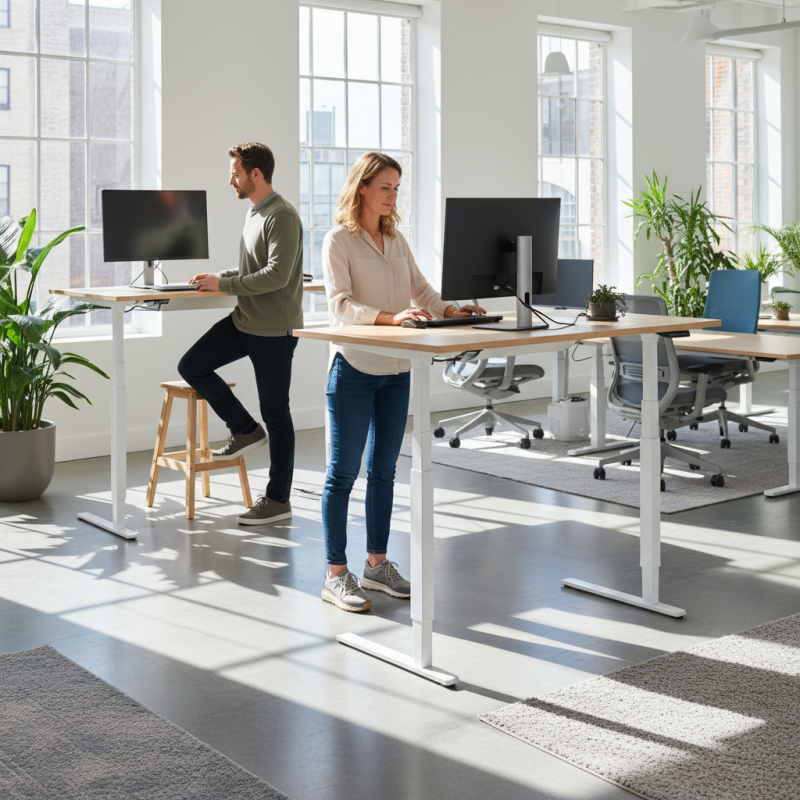
Standup Desks Benefits Tips for Health and Productivity?

Benefits of Standup Desks for Physical Health: An Overview

Standup desks have become popular due to their numerous benefits for physical health. Research indicates that using these desks can reduce sedentary behavior. One study found that standing more regularly at work can decrease the risk of weight gain by about 10% annually. This is significant, as weight management is crucial for overall health.

Moreover, many reports emphasize that using standup desks can improve posture. Poor posture often leads to musculoskeletal issues. By standing, individuals may align their spines better, reducing discomfort. A survey noted that 66% of users reported less back pain after adjusting their workstations. It seems that the change in position truly matters.

Nevertheless, challenges exist. Some users experience fatigue after prolonged standing. Adjusting to a new way of working takes time. It's essential to find a balance between sitting and standing throughout the day. Desks Inc offers various solutions for those navigating this transition. Finding the right setup is critical for maximizing the benefits of standup desks while minimizing discomfort.

Impact of Standup Desks on Mental Well-being and Productivity

Standup desks have gained attention for their potential impact on mental well-being and productivity. Studies suggest that using these desks can lead to a boost in energy levels. People often report feeling more alert and focused while standing. However, this is not universal. Some individuals may not adjust well, experiencing discomfort. It is important to ensure that the desk height is suitable for everyone.

Moreover, the transition to standing work may affect productivity differently. For some, it can enhance creativity and problem-solving skills. They thrive in a dynamic environment where movement is possible. Yet, others might find standing distracting, leading to frustration. Listening to one’s body is essential. Taking short breaks to sit can bring balance and prevent fatigue.

Incorporating standup desks requires careful consideration. It’s not a one-size-fits-all solution. Therefore, trial and adjustment work best. Balancing time spent sitting and standing is crucial for overall well-being. Engaging in light stretching can further enhance the experience. These factors lead to a deeper understanding of how workspace arrangements affect individuals. Everyone's experience will differ, and it is crucial to find what works best.

Comparative Studies: Standup Desks vs. Traditional Desks

Comparative studies reveal interesting insights into the effectiveness of standup desks versus traditional desks. Research indicates that using a standup desk can reduce back pain significantly. One study showed a 32% decrease in discomfort among users over a few weeks. However, not everyone adapts well to standing for long periods. Some participants reported fatigue and leg strain.

In terms of productivity, findings are mixed. Some workers feel more alert and focused while standing. Yet, others struggLED with concentration. A common issue is distractions from surroundings, especially in open offices. Standing can sometimes lead to increased wanderings. Short breaks are essential to maintain energy. Users should consider their own comfort and work style to determine the best setup.

The choice between a standup desk and a traditional desk isn't straightforward. It depends on individual preferences and work habits. Experimenting with different arrangements can be beneficial. Finding that perfect balance is key, but it requires some trial and error. There’s no one-size-fits-all solution in the debate over desk types.

Ergonomics of Standup Desks: Best Practices for Setup

Standup Desks Benefits Tips for Health and Productivity?

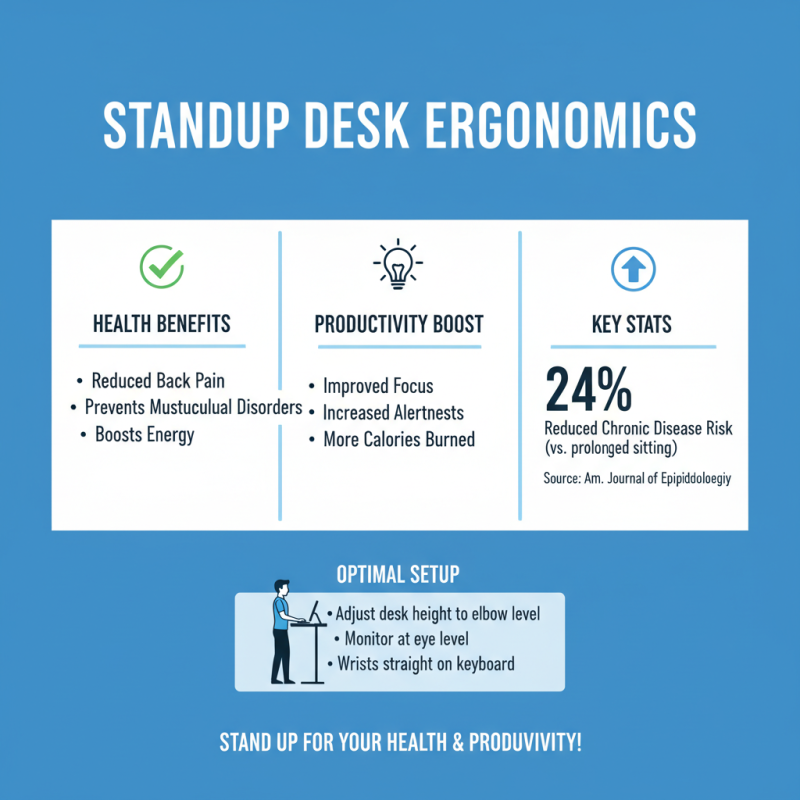
The ergonomics of standup desks play a crucial role in promoting health and productivity. A well-set-up standup desk can reduce the risk of back pain and musculoskeletal disorders. According to a study by the American Journal of Epidemiology, prolonged sitting increases the risk of chronic diseases by 24%. This highlights the importance of adjusting desk heights to cater to individual users.

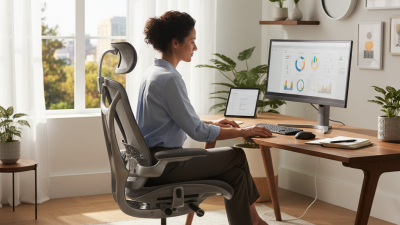
To achieve optimal ergonomics, desk height should allow elbows at a 90-degree angle. Feet should rest flat on the ground or on a footrest. This positioning reduces strain and encourages better posture. A survey from the Center for Disease Control (CDC) reveals that 55% of workers report discomfort when using improperly adjusted desks.

Standing for a long time may also lead to fatigue. It’s important to alternate between sitting and standing. Experts recommend a 1:1 ratio of sitting to standing time. Additionally, using anti-fatigue mats can provide comfort and prevent foot pain. Regular breaks for stretching can also help alleviate any discomfort. Users should continuously evaluate their setup for improvement.

Recommended Time Intervals for Stand-up Desk Usage

When using a standup desk, it's important to manage time intervals effectively. Research suggests alternating between sitting and standing every 30 to 60 minutes. This rhythm helps you maintain focus while reducing fatigue. Remember, overstanding can lead to discomfort, so listen to your body.

Stand up for about 20 minutes, then sit for a bit. Make sure your posture is correct to avoid strain. A simple tip: set a timer on your phone. This can cue you to change positions and keep your energy up. While working at Desks London, explore your workspace to ensure it fosters productivity.

Another useful tip is to engage in light stretching every hour. This breaks the monotony of working and refreshes your mind. Use this time to refocus. Remember, finding the right balance is crucial. Reflect on your comfort levels and adjust your duration as needed. Your body will thank you later.

Tips for Transitioning to a Standup Desk Effectively

Transitioning to a standup desk can be challenging. Many people feel uncomfortable at first. The height adjustment seems strange, and standing for long periods can lead to fatigue. It’s important to pace yourself. Start by using your standup desk for short intervals. Gradually increase your standing time. This helps your body adapt without soreness.

Pay attention to your posture. Keep your shoulders relaxed and your elbows at a 90-degree angle. Use an anti-fatigue mat to provide support while standing. When your feet begin to ache, take a break. Move around the office or stretch to refresh your muscles. Finding the right Office Desks can also enhance your experience. Adjustable options allow you to shift between sitting and standing as needed.

Remember, the goal is to improve your health and productivity. Don’t be too hard on yourself if the adjustment is tough. Many people face difficulties at first. It's a process. Taking small steps helps create a habit. Listen to your body and make adjustments. Your productivity will increase over time as you find your balance.

Potential Risks and How to Mitigate Them with Standup Desks

Standup desks offer a new way to work, but they come with potential risks. Prolonged standing can lead to fatigue, discomfort, or pain in the legs and back. Users may need to adjust to this change gradually. It’s essential to listen to your body and take breaks.

To mitigate risks, consider alternating between sitting and standing. Start with 15 minutes of standing, then switch. Use a mat to reduce strain on your feet. Frequent movement is also beneficial; aim to walk around every hour. Stretching your body helps alleviate tension.

Remember, not every desk setup is perfect. Ensure your desk height is right for you. Your screen should be at eye level. If you feel pain, reassess your position. These tips can create a healthier work environment. Standup desks can enhance productivity, but balance is key. Finding the right balance is crucial for sustainable effectiveness. Choose wisely, especially in places like Desks Houston, where professional setups can help optimize comfort.

FAQS

: What is the purpose of this product?

: This product aims to enhance user experience in everyday tasks. It simplifies processes and improves efficiency.

Who can benefit from using it?

Anyone looking to streamline their routine can benefit. This includes students, professionals, and homemakers.

How do I get started?

Start by following the instructions included in the package. They provide a clear step-by-step guide to help you.

Are there any specific requirements to use it?

Basic knowledge of technology can help. Some users may find it challenging without prior experience.

What should I do if I encounter issues?

Troubleshooting tips are available in the manual. You can also reach out for support if needed.

Can I use it with other tools?

Compatibility varies. It may work with some tools but not all. Testing is recommended for best results.

What if it doesn’t meet my expectations?

Reflect on your usage. Sometimes, adjusting your approach can improve outcomes. Feedback is encouraged.

Is training necessary for effective use?

Formal training isn't mandatory. However, some users report more satisfaction after exploring advanced features.

How often should I use it?

Frequency depends on personal needs. Some users choose daily use, while others may opt for occasional usage.

What are common mistakes people make?

Users often skip reading instructions. Misunderstanding features can lead to frustration. Take time to learn.

Conclusion

Standup desks have gained popularity due to their numerous benefits for both physical health and productivity. Research indicates that using standup desks can reduce the risk of obesity, heart disease, and back pain, while also enhancing mental well-being and focus. Comparative studies show that these desks can improve work performance when contrasted with traditional Sitting Desks.

To maximize the advantages of standup desks, it is crucial to understand ergonomic best practices for setup and recommended intervals for usage. Transitioning to a standup desk effectively involves gradual adjustment and being aware of potential risks, such as fatigue or discomfort. By implementing proper strategies, users can enjoy a healthier and more productive work environment with standup desks.
Alice

Alice

Alice is a dedicated marketing professional at Guangdong Junshi Intelligent Furniture Co., Ltd., where she plays a pivotal role in promoting innovative smart office solutions. With extensive knowledge of the company's products, Alice effectively communicates the intricacies of ergonomic design and......
Previous Maximize Office Cabinet Value with 5 Aftermarket Service Strategies and Maintenance Cost Insights